The Ultimate Guide to Sofas: Choosing, Styling, and Caring for Your Living Room's Centerpiece
The Ultimate Guide to Sofas
When it comes to furnishing your living space, few pieces are as important as the sofa. This versatile seating solution serves as the focal point of most living rooms, providing comfort, style, and functionality for daily life. In The Ultimate Guide to Sofas, we walk you through styles, sizes, materials, construction quality and care so you can pick the perfect seating centerpiece for your home.
The Evolution of the Sofa: From Ancient Origins to Modern Comfort
The history of the sofa dates back thousands of years, with early forms appearing in ancient Egypt and Rome. The word sofa itself derives from the Arabic word suffah, which referred to a raised platform covered with cushions and blankets. Over the centuries, sofas have evolved from simple wooden benches with basic cushioning to the sophisticated, ergonomically designed pieces we know today. During the 17th and 18th centuries, European craftsmen began developing more elaborate sofa designs, incorporating intricate woodwork, luxurious fabrics, and improved comfort features. The Industrial Revolution brought mass production techniques, making sofas more accessible to the general public. Today's sofas combine traditional craftsmanship with modern materials and technology, offering unprecedented levels of comfort and durability.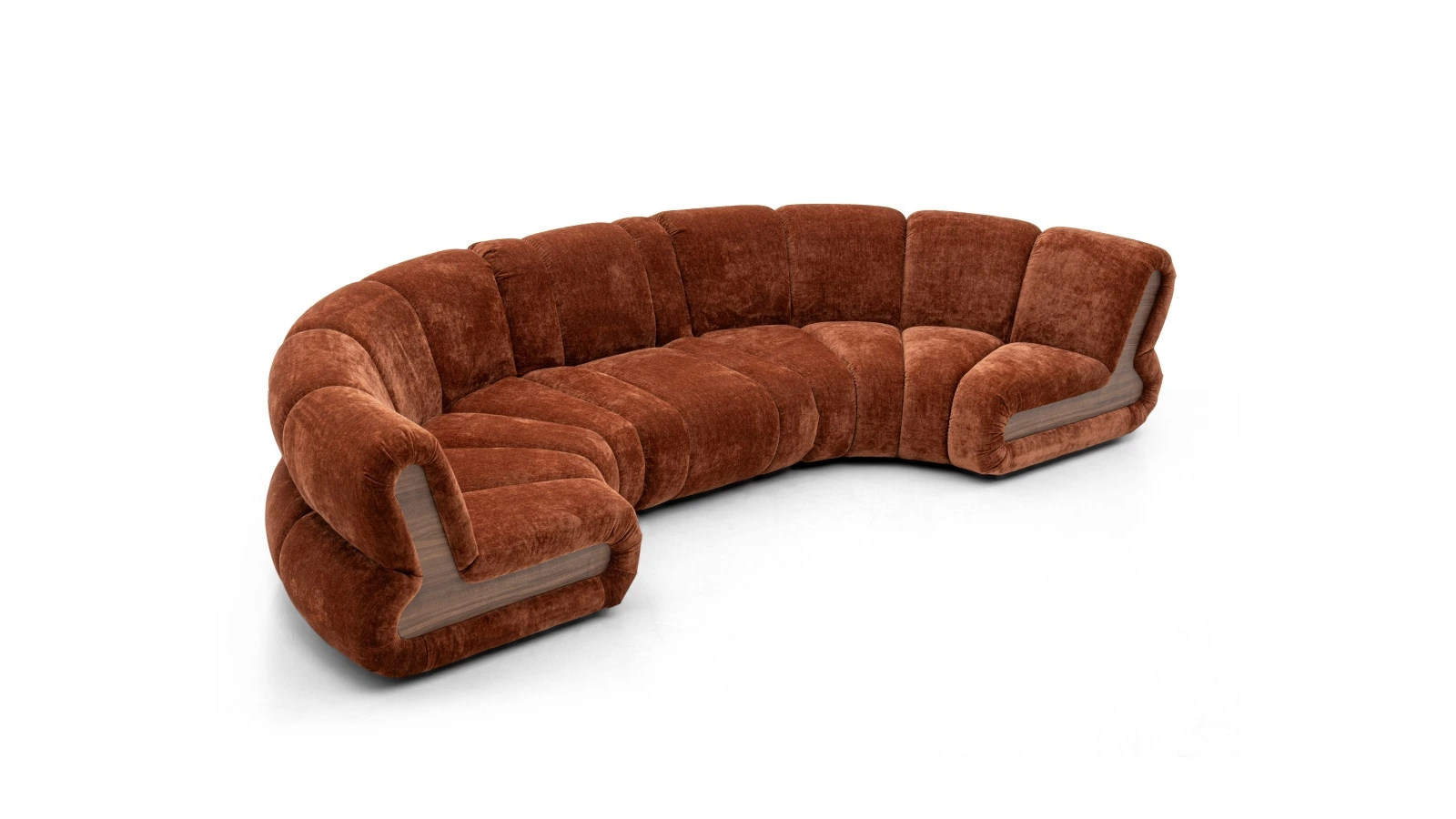
Understanding Different Sofa Styles and Their Characteristics
Traditional Sofas
Traditional sofas embody classic elegance with their timeless designs and refined details. These pieces often feature rolled arms, button tufting, and rich fabrics like velvet or leather. Chesterfield sofas, with their distinctive deep button tufting and rolled arms, represent one of the most iconic traditional styles. These sofas work beautifully in formal living rooms and complement classic interior design schemes.Contemporary and Modern Sofas
Contemporary sofas emphasize clean lines, minimalist aesthetics, and functional design. They often feature straight arms, sleek profiles, and neutral colors that blend seamlessly with modern decor. Mid-century modern sofas, popularized in the 1950s and 1960s, have experienced a resurgence in recent years, offering a perfect balance between retro charm and contemporary appeal.Sectional Sofas
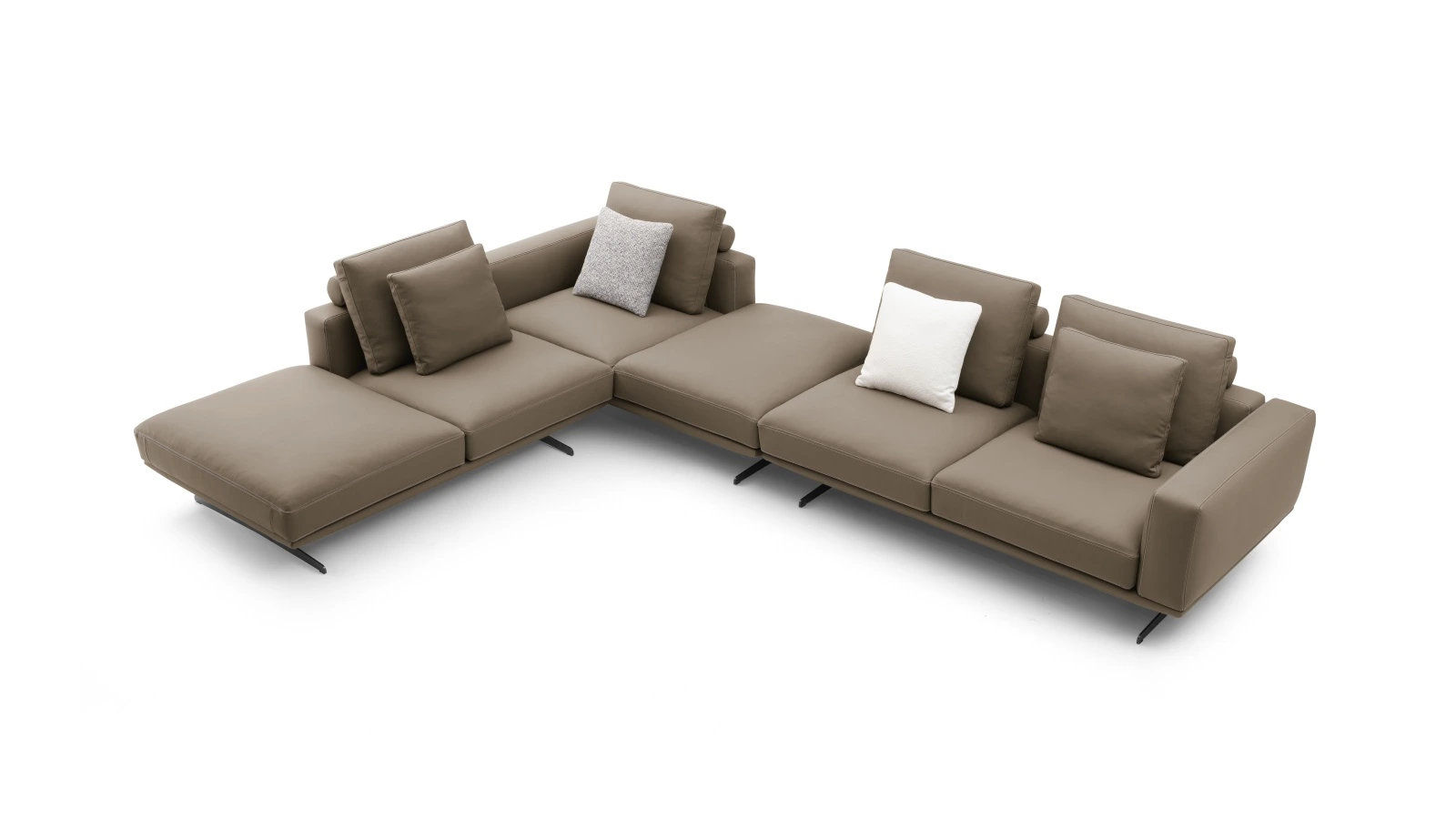
Sectional sofas provide maximum seating capacity and versatility, making them ideal for large families or those who frequently entertain guests. These modular pieces can be configured in various arrangements, including L-shapes, U-shapes, or even circular formations. Many sectionals include features like reclining seats, built-in storage, or convertible sections that transform into beds.Sleeper Sofas
Also known as sofa beds or convertible sofas, these dual-purpose pieces serve as both seating and sleeping solutions. Modern sleeper sofas have come a long way from their uncomfortable predecessors, now offering high-quality mattresses and easy conversion mechanisms. They're perfect for small spaces, guest rooms, or anyone who needs flexible furniture options. For compact homes, our space-saving compress sofa is another smart choice.Choosing the Right Size and Configuration
Selecting the appropriate sofa size requires careful consideration of your room dimensions, traffic flow, and seating needs. A general rule of thumb is to leave at least 18 inches of walking space around your sofa, though 24–36 inches is preferable for comfortable movement. For smaller rooms, consider a loveseat or apartment-sized sofa (typically 72–84 inches long). Standard sofas range from 84–96 inches, while large sofas can extend beyond 100 inches. Sectionals require even more space but can efficiently utilize corner areas that might otherwise go unused. The depth of your sofa is equally important. Standard depths range from 32–40 inches, with deeper sofas offering more lounging comfort but requiring more floor space. Consider your family's preferences – some people prefer to sit upright with their feet on the floor, while others enjoy sinking into deep cushions.Material Matters: Fabric vs. Leather
Fabric Sofas
Fabric sofas offer incredible variety in terms of colors, patterns, and textures. Popular fabric choices include:- Cotton and Cotton Blends: Breathable, comfortable, and available in countless colors and patterns. However, pure cotton can wrinkle and fade over time.
- Linen: Offers a relaxed, casual aesthetic with excellent breathability. Linen sofas work well in coastal or farmhouse-style interiors but may wrinkle easily.
- Microfiber: Synthetic fabric that's stain-resistant, durable, and easy to clean. It's an excellent choice for families with children or pets.
- Velvet: Luxurious and elegant, velvet adds sophistication to any room. Modern performance velvets are more durable and stain-resistant than traditional options.
Leather Sofas
Leather sofas represent the pinnacle of luxury and durability. High-quality leather actually improves with age, developing a beautiful patina over time. Leather is naturally stain-resistant and easy to clean, making it ideal for busy households. However, leather sofas typically require a higher initial investment and may feel cold in winter or sticky in summer without proper climate control.Frame Construction and Quality Indicators
The frame forms the foundation of any quality sofa, and understanding construction methods can help you make an informed purchase. Hardwood frames, particularly those made from kiln-dried oak, maple, or birch, offer superior durability and longevity. Avoid sofas with frames made from particle board or softwoods, as these materials are prone to warping and breaking. Look for frames joined with dowels, screws, and corner blocks rather than just staples or nails. Eight-way hand-tied springs represent the gold standard for sofa construction, providing excellent support and durability. However, sinuous springs (S-springs) can also offer good support at a lower price point. High-density foam cushions maintain their shape better than low-density alternatives, while down-filled cushions provide luxurious comfort but require regular fluffing. Many modern sofas use a combination of foam and down for optimal comfort and support.