
The Ultimate Guide to Chairs: Types, Ergonomics, Materials, Styling, and Care
The Complete Chair Buying Guide: Ergonomics, Types, Materials & Sizing Tips
The right chair supports your posture, enhances productivity and relaxation, and elevates your interior design. When designing your living area, a well-selected lounge chair pairs beautifully with a stylish sofa. For compact living spaces, our space-saving compress sofa is an excellent companion option. This guide covers chair types and use cases, ergonomics, materials, sizing and layout, styling tips, and care so you can select seats that look good and feel great.
Chair Types and Use Cases
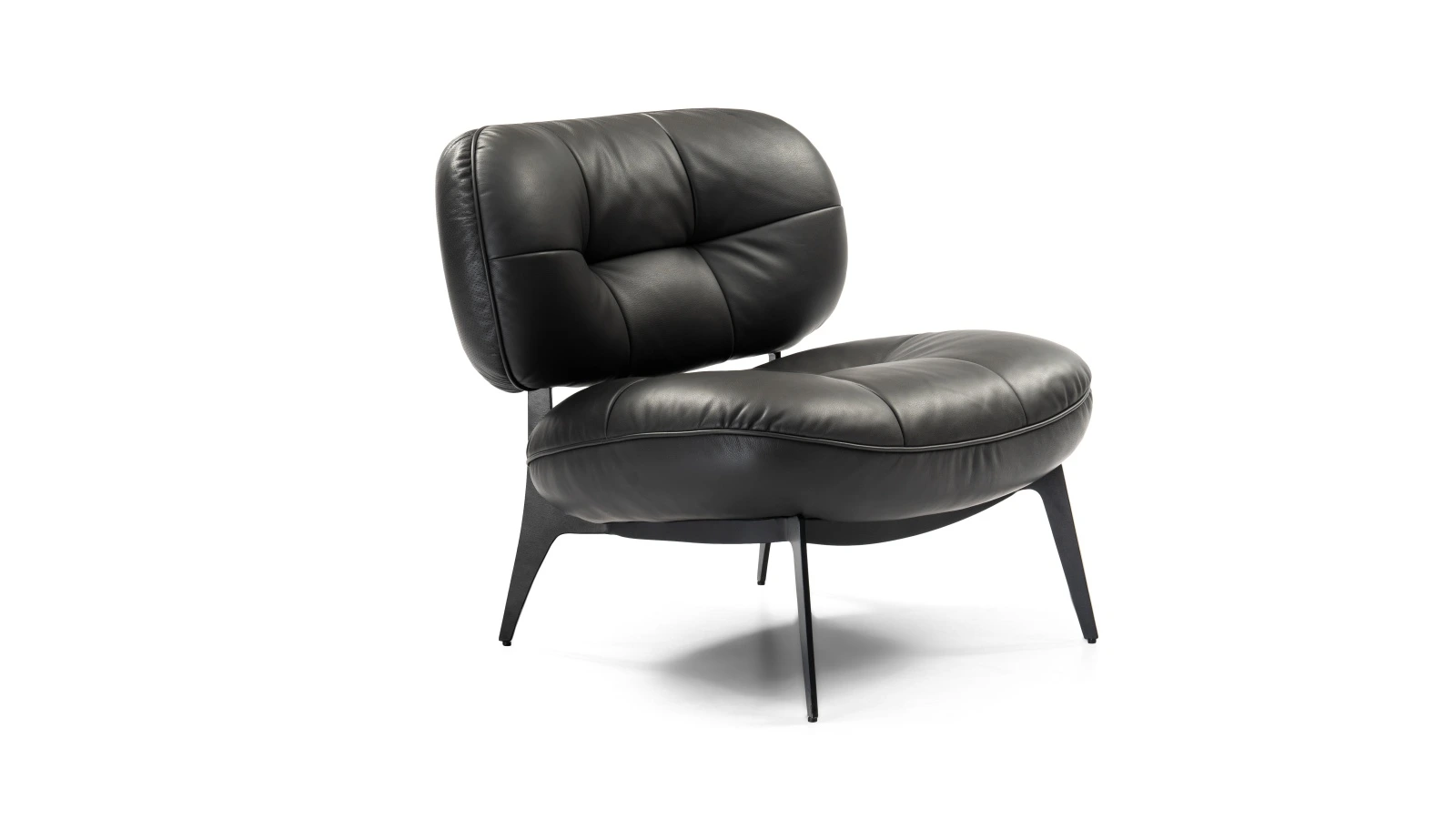
Chairs serve different functional and aesthetic purposes across rooms. Pick the right style according to where you plan to place it.- Dining chairs: Balanced comfort and support for meals; choose durable, easy-to-clean finishes.
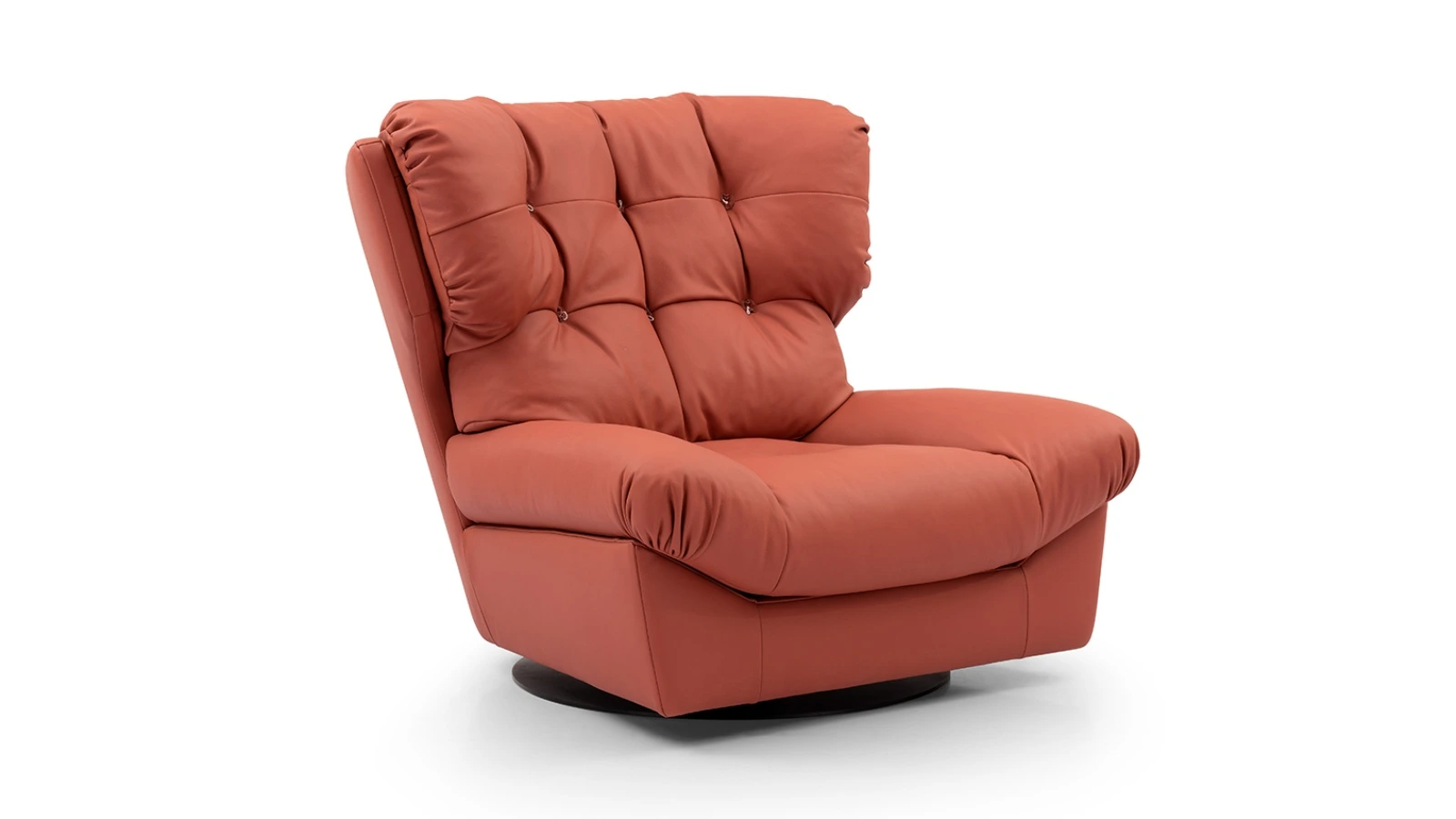
- Accent lounge chairs: Visual focal points for living rooms and bedrooms; modern leather, wingback, and barrel styles add personality.
- Lounge chairs & recliners: Deep seats and ergonomic shapes for relaxation; check head and lumbar support.
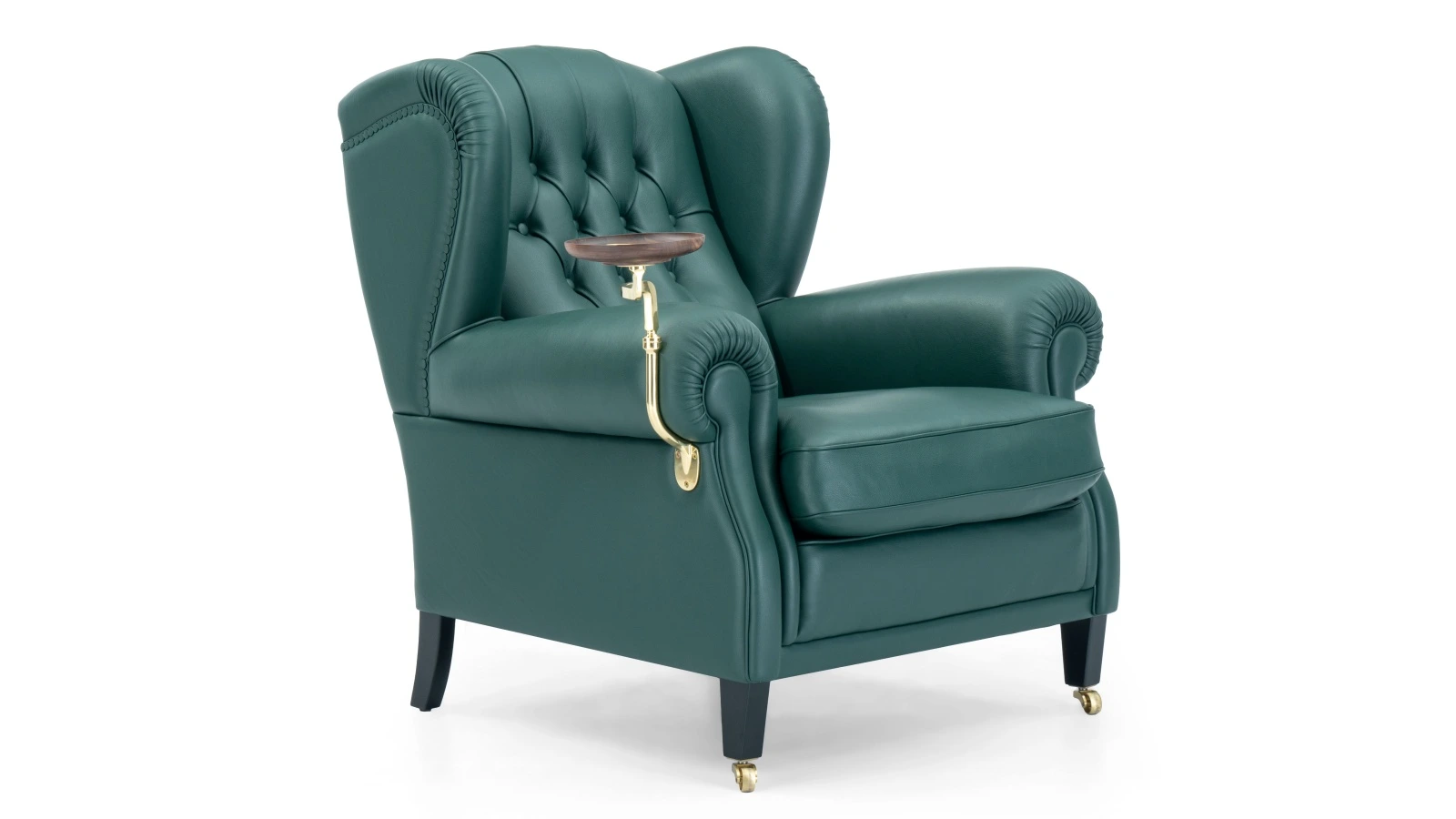
- Armchairs & club chairs: Cozy, enveloping shapes perfect for reading nooks and cigar rooms.
- Bar & counter stools: Verify seat height vs. counter height; footrest and backrest improve comfort.
- Outdoor chairs: Weather-resistant frames and quick-dry cushions built for the elements.
Ergonomics and Comfort
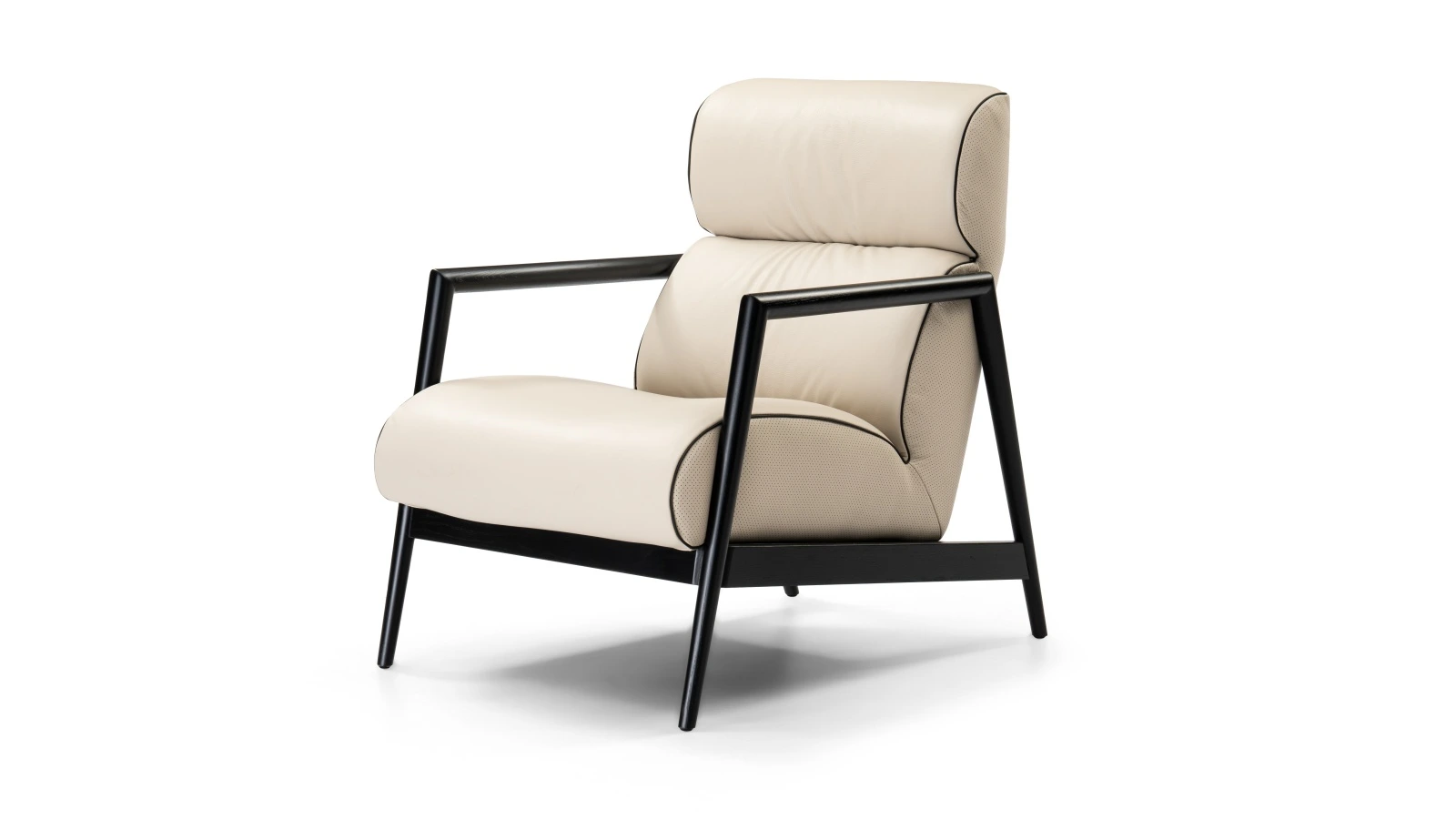
Good ergonomic design keeps your spine in natural alignment and reduces body strain after long-time sitting. Support natural alignment to reduce strain:- Seat depth: maintain 2–3 inches (5–7.5 cm) of clearance behind knees.
- Lumbar support: adjustable or well-contoured backrest that supports the lower back.
- Armrests: properly sized to keep shoulders relaxed while reading or resting.
- Movement: tilted backrest and curved seating encourage healthy relaxed postures.
Materials and Upholstery
Frame and upholstery materials decide chair durability, maintenance difficulty and overall texture.- Solid Wood: Oak, ash, walnut for strength; look for mortise-and-tenon or dowel joinery, widely used in classic lounge chairs.
- Metal: Steel and aluminum frames; powder coating prevents rust, popular for modern accent chairs.
- Upholstery: Performance fabric resists stains; full-grain leather is durable and patinas well; velvet adds luxe texture.
Sizing and Layout
Proper dimension planning ensures chairs fit naturally into your room without crowding walkways.- Dining sets: Table height ~30 in (76 cm); chair seat height 17–19 in (43–48 cm); 24 in (61 cm) width per person.
- Bar vs. counter stools: Counter seat 24–26 in (61–66 cm) for 36 in (91 cm) counters; bar seat 28–30 in (71–76 cm) for 42 in (107 cm) bars.
- Living rooms: Keep ~18 in (46 cm) between lounge chair and coffee table; allow 36 in (91 cm) for walkways next to your sofa.
Styling Tips
You can mix and match lounge chairs with other furniture to create a cohesive interior atmosphere.- Mix materials for depth: a leather armchair with a wood side table and metal lamp.
- Balance silhouettes: pair slim lounge chairs with bulky sofas, and vice versa.
- Unify with color: repeat an accent color from art or rugs in chair upholstery or cushions.
- Consider maintenance: full leather and darker tones for high-traffic living rooms and studies.
Care and Maintenance
Simple regular maintenance can extend your chair’s service life and keep leather upholstery fresh.- Follow fabric codes: W (water-based), S (solvent), WS (either), X (vacuum only).
- Condition leather every 6–12 months; keep away from direct sun and heat vents to avoid cracking.
- Add felt pads under legs; re-tighten screws and joints to prevent wobble.
- Spot clean promptly; test cleaners in inconspicuous areas on leather upholstery.
Buying Checklist (Quick Reference)
Use this checklist before purchase to avoid wrong size or unsuitable style choices.- Match chair type to use case: dining, lounge, reading nook, or outdoor.
- Test ergonomics: lumbar support, seat depth, and overall comfort for long relaxation.
- Confirm sizing: seat height and room spacing for layouts and walkways.
- Choose durable materials and easy-to-clean upholstery for your environment.
- Align style and color with the room’s palette, match your sofa or other furniture.